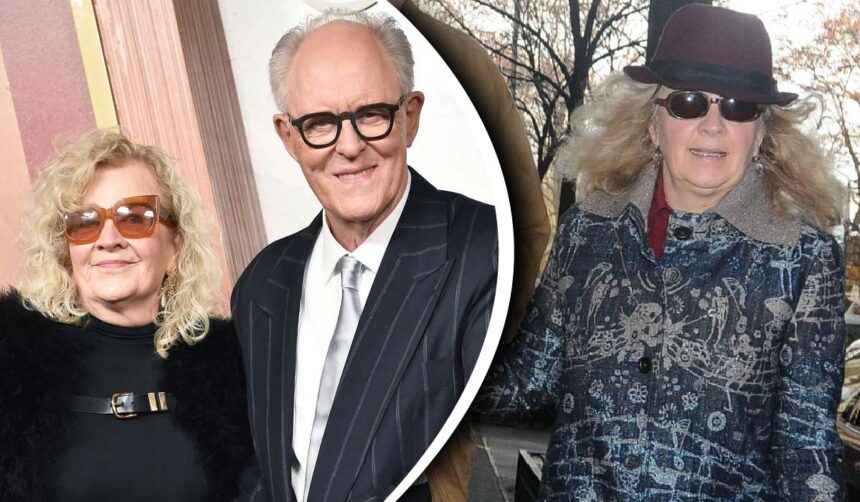
When people talk about famous actors, they often focus only on their success, awards, and performances. What many readers do not always see is the personal side of that journey, especially the people who stood beside them before fame arrived. One such person is Jean Taynton, a woman who lived a meaningful and quiet life, mostly away from the spotlight. She is widely known as the first wife of John Lithgow, but her story is much more than that simple connection.
She was a dedicated teacher, a supportive partner during difficult years, and a caring mother who valued family and education above public attention. Her life shows that not every important role is played on a stage or screen, and sometimes the most powerful influence comes from someone who chooses to remain private and focused on what truly matters.
Who Is Jean Taynton?
Jean Taynton is an American former teacher who became publicly known because of her marriage to actor John Lithgow during the early years of his career. While her name appears in biographies and articles about Lithgow, she has always maintained a strong sense of privacy and never tried to build a public image for herself.
Unlike many people connected to celebrities, Jean did not give interviews, write books, or appear in the media after her divorce. She lived a life centered on education, family, and personal values rather than fame. This balance between being connected to a public figure and choosing a quiet path has made her story interesting to many readers who want to understand the human side behind success.
Early Life and Background
Jean Taynton was born in the United States during the 1930s, a time when the country was recovering from economic challenges and moving toward social change. Although there is very little public information about her parents or early family life, it is clear from her later career that she grew up in an environment that valued responsibility, learning, and compassion.
People who choose teaching as a profession often develop patience and understanding early in life, and Jean likely built these qualities during her childhood years. Her decision to keep details about her early life private has made it difficult for historians and writers to gather full records, but this lack of information also reflects her consistent desire to live outside public attention.
Education and Academic Journey
Jean Taynton continued her studies at Oberlin College, a respected institution known for its strong academic programs and progressive values. Attending college during the mid-20th century was a significant achievement for many women, and it showed their commitment to education and personal growth.
While her exact field of study has not been publicly confirmed, her later work as a teacher clearly reflects a deep interest in helping others learn. Her college experience likely helped her build strong communication skills, critical thinking, and a sense of purpose that guided her professional life. Education was not just a step in her life but a foundation that shaped everything she did afterward.
Career as a Teacher and Educator
Jean Taynton built her career as a teacher and spent many years helping children learn and grow in school. She was especially known for working with students who had reading problems like dyslexia, which means she had to use simple and creative ways to teach them.
During the time she worked, many people did not fully understand these learning difficulties, so her patience and care made a big difference in her students’ lives. She gave personal attention to each child, helped them improve step by step, and made learning easier for them. Even though her work was not famous, it was meaningful and showed her kind nature and strong dedication to education.
Their First Meeting and Growing Bond
Jean Taynton met John Lithgow during the early 1960s in a theater setting, where both were involved in stage performances. They worked together at the Highfield Theater in Massachusetts, where they appeared in the comic opera “Patience.” In that production, Jean played Lady Jane, while Lithgow took on the role of Bunthorne.
Theater environments often create strong bonds between people because of long rehearsals and shared creative goals, and this setting allowed their relationship to grow naturally. What started as a professional connection soon turned into a personal relationship built on shared interests, respect, and mutual support. At that time, Lithgow was still building his career and had not yet become widely known, which meant their relationship developed without the pressure of fame.
Marriage to John Lithgow
Jean Taynton and John Lithgow married on September 10, 1966, in a small Episcopal ceremony in Philadelphia. Their wedding was simple and focused on close family and friends rather than public attention. Shortly after getting married, the couple moved to London so Lithgow could study at the London Academy of Music and Dramatic Art, an important step in his development as an actor.
During this period, life was not glamorous, and like many young couples, they had to manage financial challenges and uncertainty about the future. Jean worked to provide stability while her husband focused on training and building his acting career. Their marriage during these early years was based on shared effort and commitment rather than fame or success.
How She Supported His Early Career
One of the most important aspects of Jean Taynton’s story is the role she played in supporting John Lithgow before he became a well-known actor. Building a career in acting often involves rejection, financial uncertainty, and long periods without stable work. During this time, Jean’s steady job as a teacher provided the couple with financial security and allowed Lithgow to continue pursuing his goals.
Beyond financial support, she also offered emotional encouragement, which is just as important in a challenging career. While audiences later saw Lithgow’s success on screen and stage, those early years were shaped by the support system he had at home. Jean’s contribution may not have been visible to the public, but it played a significant role in creating the foundation for his later achievements.
Family Life and Children
Family life was an important part of Jean Taynton’s journey. During her marriage, she and Lithgow experienced both joy and heartbreak. They lost a premature baby shortly after birth, a painful event that affected them deeply. Later, in February 1972, they welcomed their son, Ian Lithgow, who would go on to build his own career in acting and therapy.
Jean focused on raising Ian in a stable and supportive environment while continuing her work as a teacher. Balancing career and motherhood requires dedication and careful planning, and she managed both responsibilities with care. Her role as a mother became a central part of her life, and she helped shape her son’s values and future path.
Challenges in Marriage and Divorce
As John Lithgow’s career began to grow, the demands of his profession created new challenges in their marriage. Increased travel, long working hours, and exposure to different social circles often place strain on relationships. During this period, Lithgow became involved with Norwegian actress Liv Ullmann, which added further tension to the marriage.
The situation led to emotional difficulties and eventually contributed to the breakdown of their relationship. After fourteen years together, Jean Taynton and John Lithgow divorced in 1980. The end of their marriage marked a significant turning point in her life, closing a chapter that had begun during their early years in theater.
Her Life After Separation
After her divorce, Jean Taynton chose a path that was very different from what many might expect. Instead of staying connected to the public world or using her past relationship for attention, she stepped away from the spotlight completely. She returned her focus to teaching and raising her son, building a life based on routine, stability, and personal values.
There are no known interviews, public appearances, or media statements from her after this period, which shows a strong commitment to privacy. This decision allowed her to live peacefully without the pressure of public scrutiny, and it reflected her independent and grounded personality.
Did She Marry Again After Divorce
There is no confirmed public information that suggests Jean Taynton remarried after her divorce from John Lithgow. She has kept her personal relationships private, making it difficult to know the details of her life after that period.
In a world where many personal stories are shared openly, her choice to keep such matters confidential stands out. Whether she chose to remain single or simply kept her relationships out of the public eye, she maintained control over her own story by not sharing it publicly.
Relationship With Her Son Ian Lithgow
Jean Taynton’s relationship with her son Ian remained a central part of her life. As he grew older and pursued his own career, she continued to support him and provide guidance. Ian eventually became both an actor and a licensed therapist, combining creative expression with a focus on helping others.
This balance reflects the influence of both his parents, with Jean’s role as a teacher and caregiver clearly shaping his outlook on life. She also ensured that Ian maintained a healthy relationship with his father after the divorce, showing maturity and a focus on her child’s well-being above all else.
Where Is Jean Taynton Now?
As of recent years, Jean Taynton is believed to be living quietly in the United States. Born in the 1930s, she would now be in her late eighties or early nineties. There are no recent public photographs or confirmed details about her current lifestyle, which is consistent with her long-standing preference for privacy.
She does not appear on social media and has not been involved in public events related to her former husband’s career. Her life today is likely centered on personal interests, family, and a peaceful retirement away from public attention.
Net Worth and Financial Overview
Jean Taynton’s net worth has never been publicly disclosed, and as a private individual, she was not required to share financial information. Her career as a teacher would have provided a stable but modest income compared to the wealth accumulated by successful actors.
While financial comparisons are often made in celebrity discussions, they do not fully capture the value of a person’s life. Jean’s contributions were not measured in money but in the impact she had on her students, her family, and the support she provided during important years of her husband’s career.
Why Jean Taynton Still Draws Public Interest
Jean Taynton continues to attract public interest mainly because of her connection to John Lithgow and the curiosity people have about his early life. Readers often want to know about the individuals who played a role in shaping a public figure before fame.
Her story also stands out because she chose not to remain in the spotlight, which is uncommon in today’s world. This contrast between public curiosity and personal privacy makes her life even more intriguing to those who seek to understand the full story behind a well-known actor.
Jean Taynton’s Legacy and Cultural Significance
Jean Taynton’s life offers a meaningful perspective on the role of individuals who support others behind the scenes. While she did not seek recognition, her presence during important years helped shape the foundation of a successful career. Her dedication to teaching and her commitment to family show that influence can exist without public attention.
In a time when many people share their lives openly, her decision to remain private highlights the value of dignity and personal choice. Her story reminds readers that not all important contributions are visible and that quiet strength can have a lasting impact.
Conclusion
Jean Taynton’s journey is a powerful example of a life lived with purpose, care, and independence. She was a teacher who made a difference in the lives of her students, a supportive partner during challenging years, and a devoted mother who helped raise a successful son.
Although she is often remembered because of her marriage to John Lithgow, her story stands on its own as one of quiet strength and meaningful contribution. By choosing privacy over attention, she maintained control over her life and remained true to her values. Her story serves as a reminder that success is not always measured by fame, but by the positive influence one has on others.
FAQs About Jean Taynton
Who is Jean Taynton?
Jean Taynton is an American former teacher who is best known as the first wife of actor John Lithgow. She lived a private life and focused on teaching and family instead of public attention.
When did Jean Taynton marry John Lithgow?
Jean Taynton married John Lithgow in 1966 in a small Episcopal ceremony. Their marriage took place before Lithgow became famous and lasted for about fourteen years before ending in divorce in 1980.
Did Jean Taynton have children?
Yes, Jean Taynton had one son named Ian Lithgow, born in 1972. He later became an actor and therapist, building a career influenced by both his parents’ backgrounds.
What was Jean Taynton’s profession?
Jean Taynton worked as a teacher and educator. She was especially known for helping children with learning difficulties like dyslexia, showing patience and care in her work.
Where is Jean Taynton now?
Jean Taynton is believed to be living a quiet and private life in the United States. She has stayed away from the media and public appearances for many years.
Read Next:
Who Is Salina DeLeon? Everything About Daniel Cormier’s Partner